- Tome
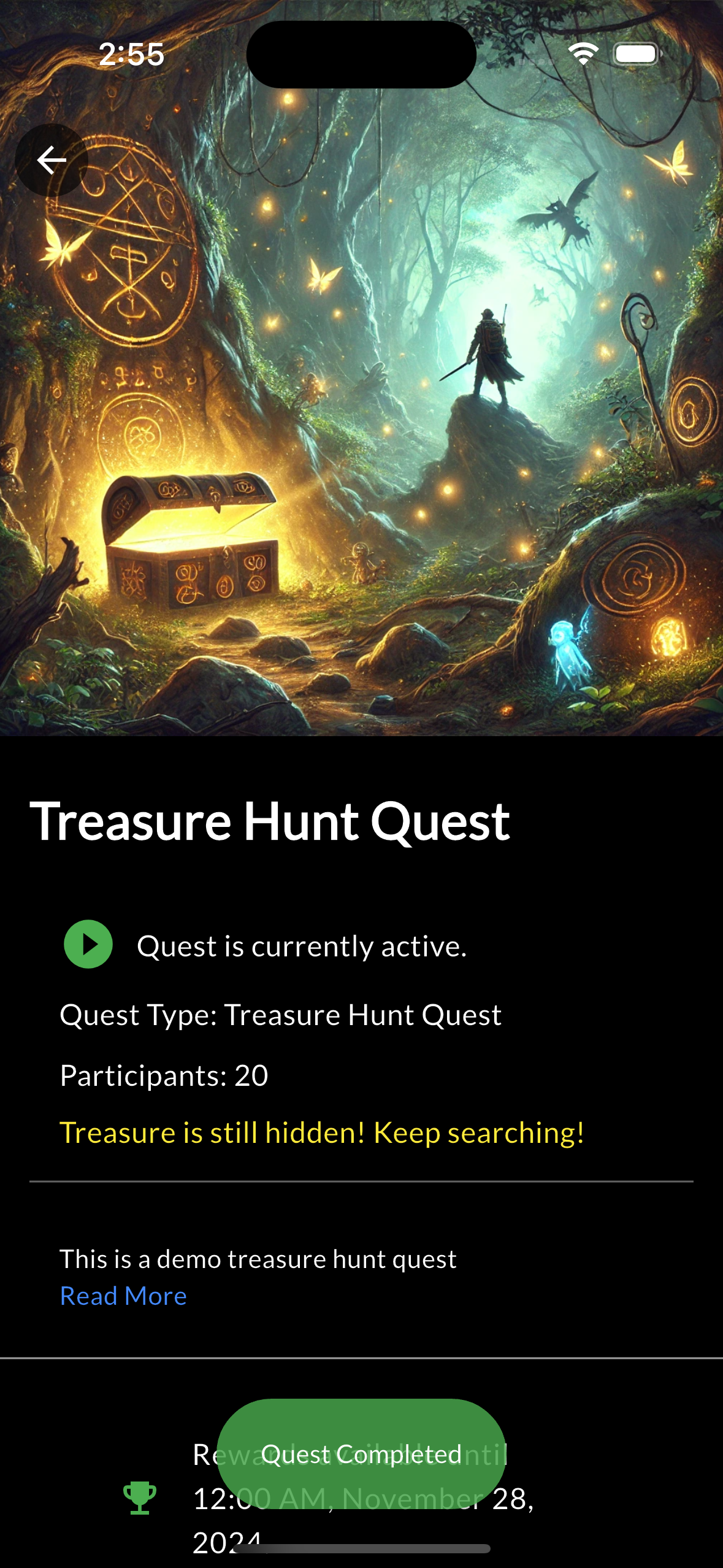
- Venture Quest
- Confidential Client SaaS
- Squadron Klaw
- Daily Team Mini
- Money Allocator
- Homelab
- Credit Card Swiping Bot
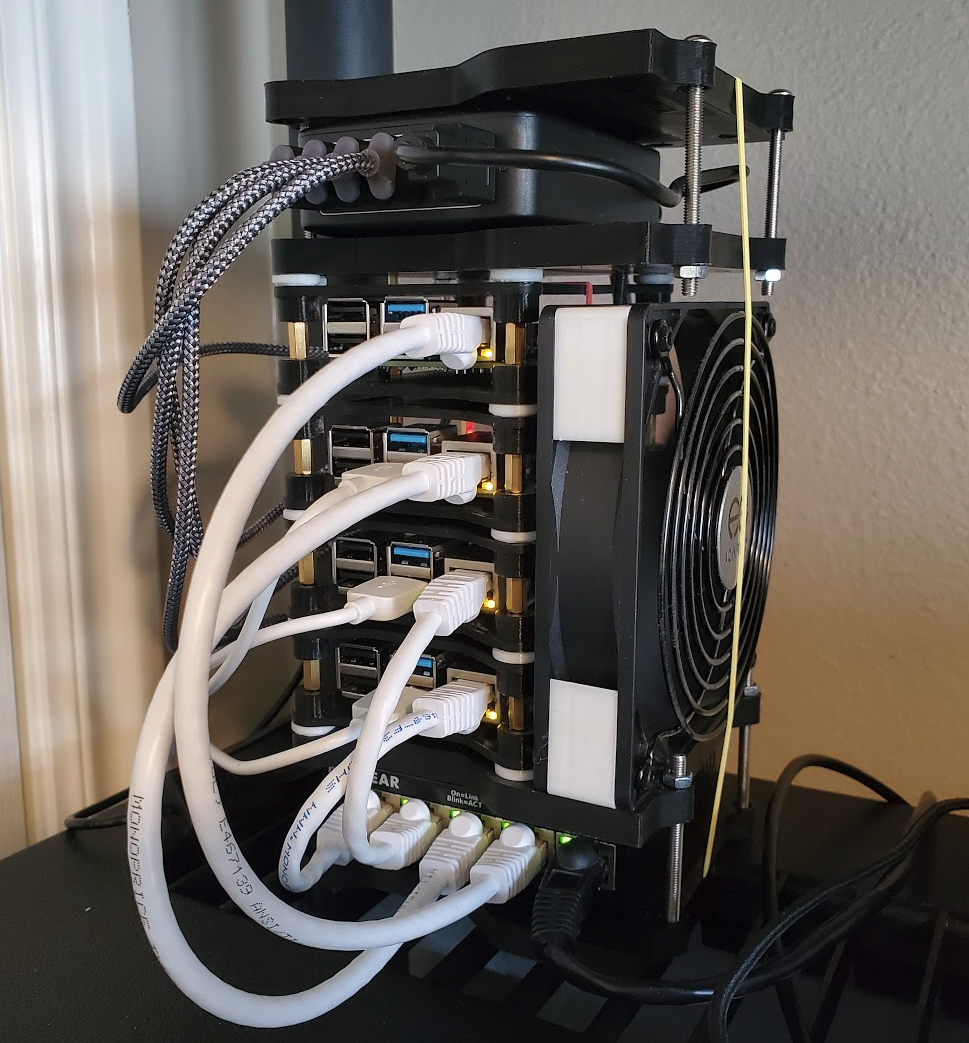
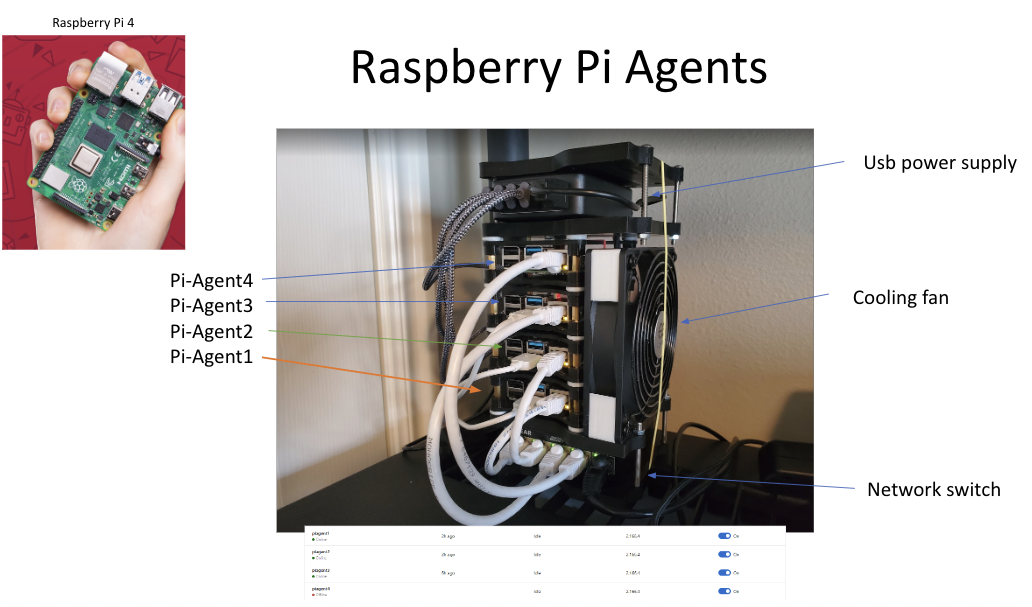
- Raspberry Pi CI/CD Cluster
- QA Automation Frameworks
I build production thingsacross web, mobile, infra,and AI agents.
QA engineer by day. Force-multiplier with AI by night. 10+ years shipping. 10 projects in the registry, 4 actively under development, two of them live on the App Store and Google Play.
Things I've actually shipped.
Each entry runs in production — on a phone, on a server, or on the wall of my house. No demos, no proofs-of-concept.
Seven featured — the live map behind the hero is the full registry.
The projects are connected.
Nothing here is a one-off — each project teaches the next one. The map behind the hero is real; these are the edges.
The AI image pipeline from client work informs how Squadron Klaw thinks about agent payloads.
The multiplayer puzzle game shares its Supabase DNA with the money allocator.
The card-swipe rig's results fed the Pi CI/CD pipeline — hardware testing hardware.
I build the test rig
that should exist.
Ten-plus years in QA — founded a QA org from zero and led engineers onshore and offshore, rising from Senior to Lead to Manager. The through-line: when the tooling to test something properly doesn't exist, I build it — often in hardware.
I build robots to test things.
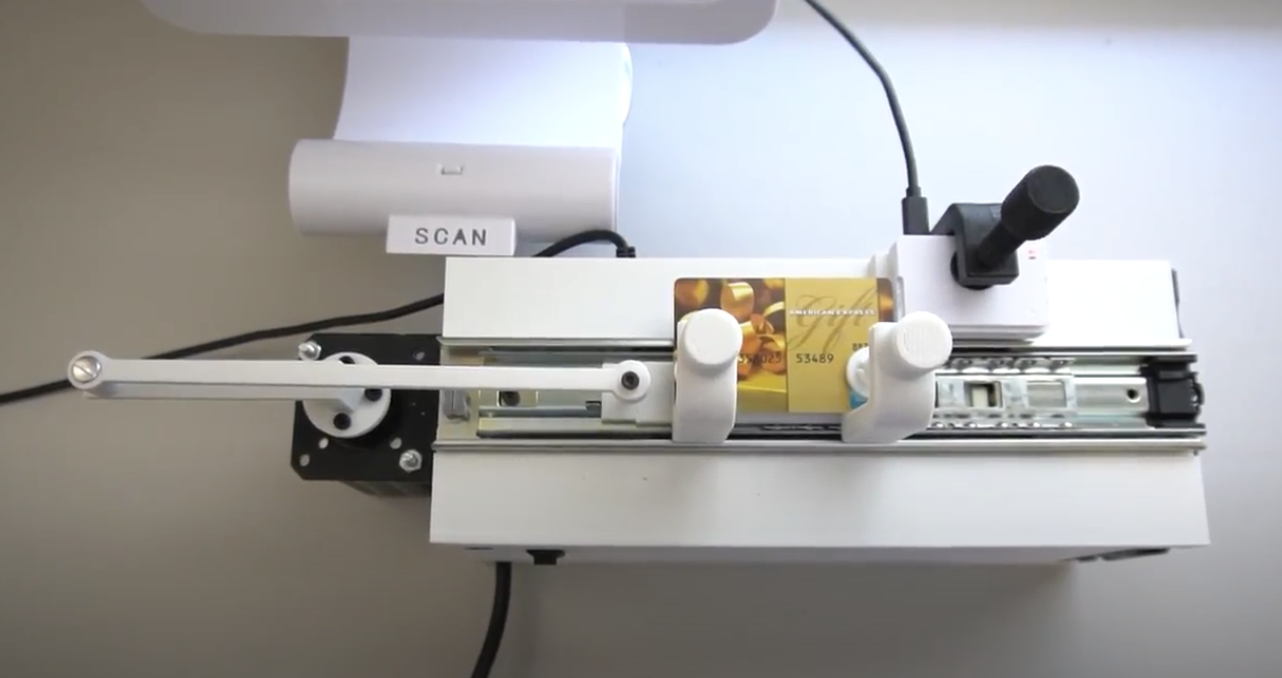
2019: a credit-card-swiping robot at 365 — Raspberry Pi, Arduino, 3D-printed parts — that cut manual card-reader regression by ~90%. 2022+: Raspberry Pis simulating BLE device events at Monovo so the full device-to-app flow tests itself. If it can't be tested in software, I build the hardware that can.
Founded QA from zero. Now I lead ops.
Stood up the QA function from nothing across web, mobile, and Bluetooth hardware, hired the team, and set the standards. Then I kept going — rigging Raspberry Pis to simulate BLE device events for true end-to-end coverage, and building the internal platform that became the operational backbone for multiple teams. Support resolution is ~40% faster. Nobody asked me to.
Led mobile QA for the kiosks. Then I built a robot.
Led a team of QA engineers owning the nanomarket and picomarket self-service kiosks — the Android POS people use to scan and buy snacks. Manual card-reader testing was slow and error-prone, so I engineered a credit-card-swiping robot (Raspberry Pi + Arduino + 3D-printed parts) and wired it into the automation suite, cutting manual regression by ~90%. Years before AI.
see the robot →Open-source QA at startup speed.
Automated regression with Selenium and triaged community bug reports straight from GitHub for a fast-moving infrastructure startup — later acquired by VMware. Where I learned to test in the open.
Started in 2012 at CleanTelligent, manually testing tickets and teaching myself to automate. The full history is on the resume.
The advantage isn't AI.
It's managing AI well.
Everyone has access to the same models. What changes the output is the surrounding system — clear context, opinionated architecture, real infrastructure. That's the differentiator.
- 01
AI does the typing. I do the thinking.
Every project has a CLAUDE.md that captures architecture, conventions, and live work-in-progress. Tome's is ~25k lines. I pair with Opus 4.7 to compress days of typing into hours of decisions.
- 02
Ship small, ship often, ship to prod.
Tome moved from v0.11 to v0.12.3 in a month — small versions, real deploys, real users. My homelab CI/CD agents run on Raspberry Pis I built myself. Most projects deploy on push.
- 03
Own the whole stack — including the rack.
Production for me means a Proxmox cluster in my closet running Tome, Pi build agents, and a Home Assistant bridge. Trusting my own ops more than someone else's marketing copy is the cheat code.
Let's build
something.
Hiring, collaborating, or curious about the workflow — I'm most useful when I get to own a problem end-to-end: QA strategy, the platform itself, the operational layer underneath.